
Weed Control Fabric is a practical solution for reducing unwanted weed growth in gardens, landscaping projects, agricultural areas, nurseries, greenhouses, and outdoor spaces. It creates a physical barrier that helps block sunlight while allowing water and air to pass through the soil.
Whether you are a homeowner, landscaper, farmer, nursery operator, or professional contractor, choosing the right weed barrier material can help reduce maintenance work and keep outdoor areas cleaner and easier to manage.
What Is Weed Control Fabric?
Weed control fabric is a specially designed landscape textile used to suppress unwanted weed growth.
It is commonly installed over soil and underneath materials such as:
- Gravel
- Decorative stone
- Mulch
- Wood chips
- Pathways
- Garden beds
- Landscaping materials
Most weed control fabrics are made from durable synthetic materials such as polypropylene or polyester. Depending on the application, the fabric may be woven or non-woven.
The main purpose of weed control fabric is to block sunlight from reaching weed seeds while allowing water and air to pass through the material.
How Does Weed Control Fabric Work?
The principle behind weed control fabric is simple.
After the fabric is installed over the soil, it forms a physical barrier between the soil and the surface. The material reduces the amount of sunlight available to weeds, making it more difficult for weeds to germinate and grow.
At the same time, quality weed barrier fabric is designed with a porous structure that allows water and air to move through the material.
This combination of weed suppression, water permeability, and soil coverage makes weed control fabric useful for a wide range of outdoor applications.
Benefits of Using Weed Control Fabric
1. Helps Reduce Weed Growth
The primary benefit of weed control fabric is its ability to suppress weeds.
By blocking sunlight and creating a physical barrier, the fabric can reduce the growth of many common weeds and decrease the amount of manual weeding required.
2. Saves Time and Labor
Regular weed removal can require significant time and labor.
Installing weed barrier fabric can reduce the frequency of manual weeding, making it particularly useful for large gardens, commercial landscaping projects, agricultural areas, and nurseries.
3. Allows Water to Pass Through
A properly manufactured weed control fabric allows water to pass through the material.
This helps irrigation and rainfall reach the soil while maintaining a barrier against weed growth.
Water permeability is an important characteristic to consider when selecting landscape fabric.
4. Helps Maintain a Clean Landscape
Weeds can quickly make gardens, pathways, and landscaping areas look neglected.
Weed control fabric can help maintain a cleaner and more organized appearance, especially when installed underneath decorative stone, gravel, or mulch.
5. Can Reduce Long-Term Maintenance
Although weed control fabric requires an initial installation, it may reduce ongoing maintenance work.
For commercial landscaping and large outdoor projects, reducing repeated weed removal can help improve maintenance efficiency.
Woven vs. Non-Woven Weed Control Fabric
One of the most important decisions when purchasing weed control fabric is choosing between woven and non-woven materials.
Woven Weed Control Fabric
Woven weed control fabric is produced by weaving individual plastic strips together.
It generally provides good tensile strength and durability, making it suitable for applications where the fabric may experience pulling, foot traffic, or exposure to outdoor conditions.
Common applications include:
- Landscaping
- Garden paths
- Gravel areas
- Commercial landscaping
- Agricultural applications
- Nurseries
Woven fabric is often selected when strength and long-term durability are important.
Non-Woven Weed Control Fabric
Non-woven weed control fabric is manufactured by bonding fibers together rather than weaving them.
It can provide effective weed suppression and is commonly used in landscaping and gardening applications.
Non-woven fabric may be suitable for:
- Flower beds
- Decorative landscaping
- Drainage applications
- Garden projects
- Temporary ground covering
The best choice depends on the installation environment, expected service life, drainage requirements, and surface material.
How to Choose the Right Weed Control Fabric
Not all weed control fabrics are the same. Before purchasing, consider several important factors.
Material
Common materials include polypropylene and polyester.
Polypropylene is widely used because it can provide a combination of strength, flexibility, and resistance to outdoor conditions.
Fabric Weight
Weed control fabric is available in different weights.
A lightweight fabric may be suitable for simple garden applications, while heavier fabric may be more appropriate for commercial landscaping, pathways, and areas requiring greater durability.
The appropriate weight depends on the application.
UV Resistance
If the fabric will remain exposed to sunlight, UV resistance is particularly important.
Ultraviolet radiation can gradually degrade some synthetic materials. UV-stabilized weed control fabric can provide better resistance when exposed to outdoor conditions.
Water Permeability
Water permeability is another important consideration.
A good landscape fabric should allow water to reach the soil rather than creating an unnecessary barrier to irrigation and rainfall.
Tensile Strength
For professional landscaping and agricultural applications, tensile strength can be important.
A stronger fabric is less likely to tear during installation and handling.
Roll Size
Weed control fabric is commonly supplied in rolls with different widths and lengths.
Choosing an appropriate roll size can help reduce the number of seams and make installation more efficient.
For large projects, manufacturers can also provide customized roll dimensions depending on production capabilities.
How to Install Weed Control Fabric
Proper installation is important for achieving good long-term performance.
Step 1: Remove Existing Weeds
Before installing the fabric, remove existing weeds, roots, and other unwanted vegetation from the area.
This helps prevent weeds from continuing to grow underneath the fabric.
Step 2: Prepare the Soil
Level the soil and remove large stones, branches, and sharp objects that could damage the material.
A smooth installation surface helps the fabric sit properly against the ground.
Step 3: Measure the Area
Measure the installation area before cutting the fabric.
Leave enough material for overlaps and edges.
Step 4: Lay the Fabric
Place the weed control fabric over the prepared soil.
For larger areas, overlap adjacent pieces to minimize gaps where weeds could emerge.
Step 5: Secure the Fabric
Use landscape staples, ground pins, or suitable fixing systems to secure the fabric.
Pay particular attention to corners, edges, seams, and areas exposed to wind.
Step 6: Add a Surface Layer
Depending on the application, cover the fabric with mulch, gravel, decorative stone, or another suitable material.
Covering the fabric can improve appearance and may also provide additional protection from sunlight and physical damage.
Common Applications of Weed Control Fabric
Weed control fabric can be used in many different environments.
Gardens
Gardeners can use weed barrier fabric around plants, shrubs, and garden beds to reduce unwanted vegetation.
Landscaping
Professional landscapers commonly use weed control fabric underneath decorative stone, gravel, mulch, and other landscaping materials.
Agricultural Applications
Farmers and growers may use ground cover and weed control fabrics in crop production, nurseries, and other agricultural environments.
Nurseries
Plant nurseries can use weed barrier fabric to help control vegetation between growing areas and improve the overall cleanliness of the working environment.
Walkways and Paths
When installed underneath gravel or decorative stone, weed control fabric can help reduce weed growth through pathways.
Greenhouses
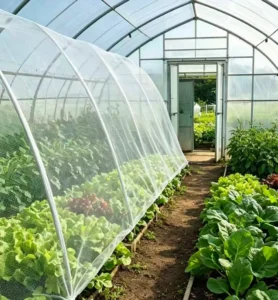
Weed control fabric can also be used in greenhouse environments to help manage unwanted vegetation around growing areas.
Weed Control Fabric vs. Plastic Weed Barrier
Plastic sheets can block sunlight effectively, but they may also restrict water and air movement depending on their design.
Permeable weed control fabric is designed to provide weed suppression while allowing water and air to move through the material.
For applications where drainage is important, selecting a permeable landscape fabric can be particularly useful.
Is Weed Control Fabric Environmentally Friendly?
The environmental characteristics of weed control fabric depend on the material, manufacturing process, product lifespan, and disposal method.
Durable fabric that lasts for many years may reduce the need for frequent replacement.
However, most synthetic weed control fabrics are plastic-based materials, so buyers should consider product durability, responsible installation, reuse where possible, and appropriate disposal.
Manufacturers can also provide information about material composition, recycled content, UV stabilization, and available product specifications.
How Long Does Weed Control Fabric Last?
The service life of weed control fabric depends on several factors, including:
- Material quality
- Fabric weight
- UV exposure
- Installation method
- Surface covering
- Weather conditions
- Foot traffic
- Soil conditions
Fabric covered by gravel, mulch, or other landscaping materials is generally exposed to less direct sunlight than fabric left uncovered.
For commercial projects, it is important to select a product according to the expected application and service conditions rather than choosing based only on price.
Why Buy Weed Control Fabric Directly From a Manufacturer?
For distributors, wholesalers, landscapers, agricultural suppliers, and large projects, purchasing directly from a manufacturer can provide several advantages.
When choosing a professional weed control fabric manufacturer, buyers can also explore product specifications, customization options, bulk supply, and OEM services in one place.
Customized Specifications
Manufacturers may be able to provide different:
- Widths
- Lengths
- Fabric weights
- Colors
- Materials
- Packaging options
- Roll sizes
depending on production capabilities and order requirements.
Bulk Supply
Direct manufacturers can often support larger-volume orders for distributors and commercial customers.
Quality Control
Working directly with a manufacturer can make it easier to discuss product specifications, production standards, packaging, and quality requirements.
OEM and Private Label Options
Some manufacturers offer OEM and private-label services, allowing customers to develop products under their own brand.
For businesses building a landscaping or agricultural product line, this can provide additional flexibility.
What Should You Ask a Weed Control Fabric Manufacturer?
Before placing a large order, buyers should ask the manufacturer about:
- What material is the fabric made from?
- What is the fabric weight?
- What are the available roll sizes?
- What is the water permeability?
- Is the fabric UV stabilized?
- What is the tensile strength?
- What applications is the fabric designed for?
- Are customized sizes available?
- What packaging options are available?
- Can samples be provided before bulk production?
These questions can help buyers select a product that matches their application and market requirements.
Frequently Asked Questions About Weed Control Fabric
Does weed control fabric completely stop weeds?
No product can guarantee that all weeds will be eliminated permanently.
Weeds may grow through gaps, seams, damaged areas, or from seeds that accumulate on top of the fabric.
Proper installation and regular maintenance can improve weed suppression.
Can water pass through weed control fabric?
Many landscape weed control fabrics are designed to be permeable, allowing water to pass through to the soil.
However, permeability varies between products, so buyers should check the manufacturer’s specifications.
Can weed control fabric be used under gravel?
Yes. Weed control fabric is commonly installed underneath gravel and decorative stone to help reduce weed growth.
Can weed control fabric be used in gardens?
Yes. It can be used around trees, shrubs, pathways, and other garden areas. Installation should be planned carefully around plants to avoid restricting desired plant growth.
What is the difference between weed control fabric and landscape fabric?
The terms are often used interchangeably.
Depending on the manufacturer and market, “weed control fabric,” “weed barrier fabric,” “weed mat,” “ground cover fabric,” and “landscape fabric” may refer to similar products with different specifications.
Always check the actual material, weight, permeability, strength, and intended application.
Conclusion
Weed control fabric is a practical solution for reducing unwanted vegetation in gardens, landscaping projects, nurseries, agricultural areas, pathways, and other outdoor environments.
When choosing a product, buyers should consider material, fabric weight, UV resistance, water permeability, tensile strength, roll size, and expected service conditions.
For distributors, wholesalers, landscapers, and commercial buyers, working directly with an experienced manufacturer can also provide access to bulk supply, customized specifications, OEM services, and private-label solutions.
Choosing the right weed barrier fabric for the specific application can help improve installation efficiency, reduce maintenance requirements, and provide reliable long-term ground coverage.
Looking for Weed Control Fabric?
If you are looking for weed control fabric for landscaping, agriculture, nursery, or wholesale applications, visit our website to learn more about available products, manufacturing capabilities, customization options, and bulk supply solutions.